The Benefits of Choosing a Local Collision Repair Center
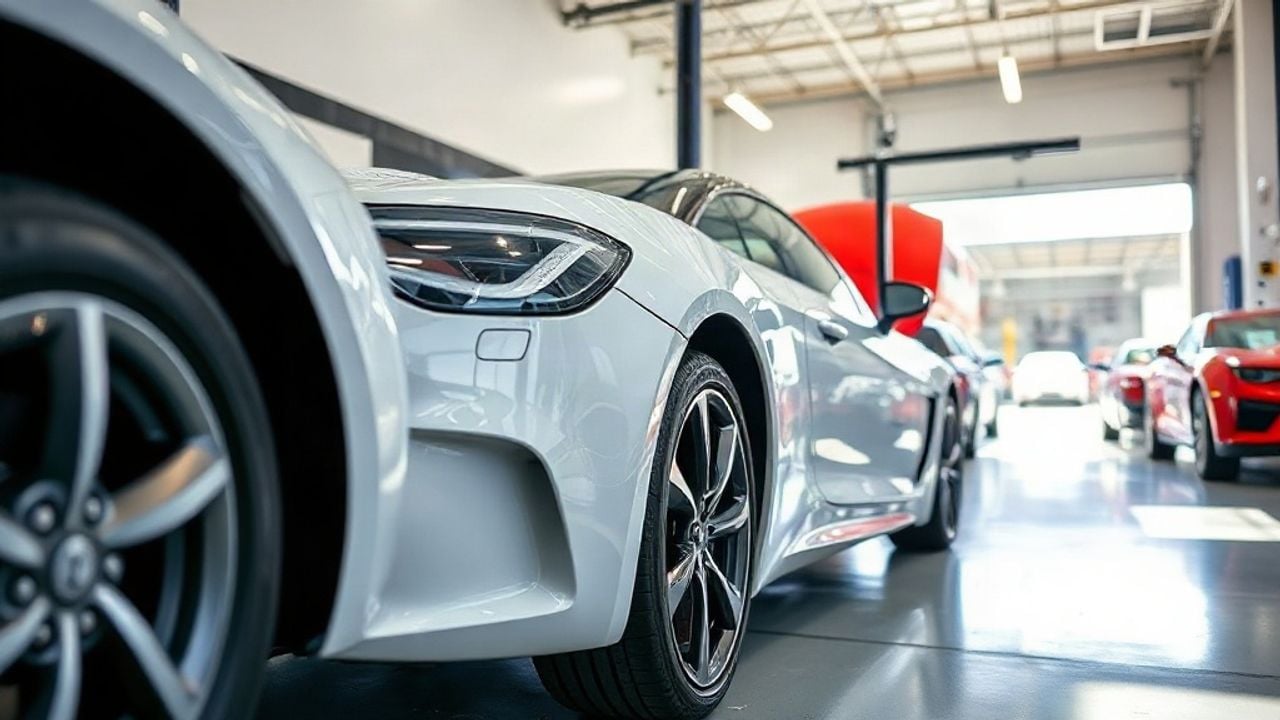 auto body shopcollision repair
Accidents on the road are an unfortunate reality and can leave your vehicle needing significant repairs. Collision repair involves a range of services aimed at restoring damaged vehicles to their pre-accident condition. Whether it's a small dent or major structural damage, understanding the intricacies of collision repair is essential for every car owner. The quality of repairs can greatly influence your vehicle's performance and safety.
If you’re searching for professional assistance, an auto body repair shop with a solid reputation can provide the repair services necessary to restore your car. For specifics on collision repair services in Houston, to find specialized solutions tailored for your vehicle's needs learn more.
Grasping the Essentials of Collision Repair
Collision repair encompasses a thorough procedure that varies significantly based on the degree of damage sustained. When a car is involved in an accident, a number of components may be impacted including the frame, exterior paint, and various mechanical elements. The primary objective of collision repair is to restore the vehicle to its pre-accident factory conditions.
To begin with, the auto repair shop will conduct a comprehensive evaluation of the vehicle to pinpoint all damage areas. This evaluation includes identifying hidden damages that might not be obvious at first glance. After the inspection is completed, a detailed estimate is provided that outlines the needed repairs and their associated costs. Typical services available include frame alignment, body panel replacement, painting, and refinishing. Each stage serves a crucial purpose in ensuring that the vehicle not only looks appealing but also maintains its structural integrity, thereby ensuring safety while driving.
Common Techniques Utilized in Collision Repair
Techniques employed in collision repair may differ significantly based on the type of damage incurred. For minor dents and blemishes, approaches such as paintless dent repair are often utilized, which avoids the need for repainting the vehicle. This method is less intrusive and helps preserve the original finish. For more considerable damage, standard repair practices may require removal of damaged components and their replacement with new or refurbished parts. This guarantees that the vehicle is returned to a condition that closely resembles its original state.
Once repairs are finalized, finishing processes like sanding and repainting are carried out to achieve a flawless look. The application of advanced technology and tools is crucial during this stage, particularly in auto body collision repair. Laser measurements and computerized paint matching can significantly enhance both precision and quality, ultimately resulting in a more satisfactory outcome.
Choosing the Right Collision Repair Shop: Key Factors
Finding a reliable collision repair shop doesn’t have to be overwhelming, especially when you focus on a few essential aspects. To begin with, look into auto body shops that hold certifications, as these credentials often reflect a commitment to maintaining quality standards in their services. Additionally, take the time to read through customer feedback and testimonials; this firsthand information can reveal a lot about the level of service and satisfaction experienced by previous clients.
Moreover, be sure to inquire about any warranties the shop provides. A trustworthy collision repair center typically backs its work with warranties covering both parts and labor, giving you reassurance that you’re covered should any problems arise post-repair. Lastly, it’s a good idea to find out about the materials used during the repair process, as high-quality components are crucial for ensuring the durability and safety of the repairs performed.
The Cost of Collision Repair: What to Expect
Getting a handle on the expenses related to collision repairs is crucial for setting your financial plan after an accident. Repair costs can greatly fluctuate based on various factors, including how severe the damage is and what types of repairs are necessary. For minor cosmetic damage, expenses might range from several hundred up to a thousand dollars. In contrast, significant damage, particularly if it affects structural components, can lead to costs that soar into the thousands.
To accurately gauge repair expenses, it's important to gather estimates from several auto body repair shops. This practice not only enables you to compare rates but also aids in understanding the array of services provided. Keep in mind that the cheapest option isn’t always the optimal choice; it could lead to subpar repairs. Prioritize repair shops that are known for their outstanding service and warranties rather than focusing solely on price.
For an extensive overview, consider visiting resources like the automobile repair entry on Wikipedia, which offers in-depth information about various vehicle repair processes.
Steps to Follow for Effective Collision Repair
- Assess the Damage: Begin by thoroughly examining the vehicle to identify all areas of impact. Documenting visible damage can help with insurance claims.
- Gather Estimates: Reach out to several auto body shops to get repair estimates. Make sure to provide the same information to each shop for accurate comparisons.
- Check Reviews and Credentials: Research the selected collision repair shops by reading reviews and checking for necessary certifications and licenses.
- Inquire About Warranties: Ask about any warranties provided for parts and labor. A good shop should stand by its work with confidence.
- Authorize Repairs: After choosing a shop, authorize the work to begin. Ensure you have a clear understanding of the repair timeline and costs involved.
- Inspect Before Payment: Once your vehicle is ready, inspect the repairs thoroughly to ensure they meet your expectations before making the final payment.
Tips for a Smooth Collision Repair Experience
Being prepared can significantly enhance your experience with collision repairs. Take these tips into account.
- Document everything: Keep detailed records of all communications with the repair shop, including estimates and receipts.
- Ask questions: Don’t hesitate to ask the repair facility about any uncertainties you might have regarding the repair process.
- Insurance Communication: Maintain clear communication with your insurance provider to ensure all coverage issues are addressed.
- Inspect Your Vehicle: Before leaving the shop, inspect the vehicle in detail to confirm all work was completed as agreed.
- Stay Informed: Educate yourself about common types of collision damage and repair processes to better engage with your repair shop.
Frequently asked questions
What is collision repair?
Collision repair refers to the processes involved in restoring a vehicle after it has been damaged in an accident. This can include fixing the body, frame, and mechanical systems as well as repainting and detailing the car.
How do I choose a collision repair provider?
Selecting a collision repair shop involves checking for certifications, reading customer reviews, inquiring about warranties, and comparing estimates from multiple shops to ensure you get quality service.
How much does collision repair cost?
The cost of collision repair can range significantly based on the damage’s severity. Minor repairs might cost a few hundred dollars, while extensive repairs could exceed several thousand. Getting multiple estimates helps to gauge the range of repair costs.
What are common types of collision repairs?
Common repair types include frame repairs, panel replacement, paintless dent repair, scratch repair, and full vehicle refinishing. The type needed depends on the severity of the collision damage.
Do all collision repair shops offer warranties?
Not all collision repair shops provide warranties, so it's crucial to ask before authorizing repairs. Reputable shops typically back their work with warranties on both parts and labor.
The importance of collision repair cannot be overstated; it plays a key role in maintaining both the safety and appearance of your vehicle. Gaining knowledge about the repair procedure, associated costs, and selecting a reliable service provider can significantly improve your experience following an accident. Emphasizing quality is essential for ensuring your vehicle's continued safety on the road.
By focusing on meticulous care throughout the repair process, your vehicle can be effectively restored, allowing you to drive again with confidence. It’s crucial to make well-informed decisions and seek advice from trusted auto body shops for optimal outcomes.